

Windrush Day, marked each year on 22 June, commemorates the arrival of the Empire Windrush in 1948 and the wider story of Caribbean migration that followed. In the years after the Second World War, Britain faced significant labour shortages and an urgent need to rebuild. Men and women from Caribbean nations were invited to help fill roles across construction, manufacturing, public transport and the newly established NHS, with opportunities advertised in newspapers such as Jamaica’s Daily Gleaner in April 1948.
Following the British Nationality Act 1948, those born in the UK or its colonies were recognised as British subjects, with the right to settle and work in Britain. Many who arrived already had strong ties, including individuals who had served in the armed forces. Their contributions were fundamental to rebuilding post‑war Britain, supporting the NHS as well as transport, industry and public services that underpinned everyday life. Despite this, early experiences were often shaped by both opportunity and hardship, from barriers to housing to everyday prejudice.
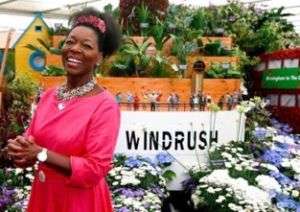
Windrush is not only a story of contribution, it is a story of people, resilience and lived experience. Baroness Floella Benjamin DBE has spoken of the hostility her family faced when trying to settle in Britain, including neighbours calling the police when they attempted to buy a home. Her work in television and literature, particularly Coming to England, has helped bring Windrush stories into mainstream British culture and education.
The legacy of the Windrush generation is also reflected in public life. Figures such as Sam Beaver King and Bill Morris made significant contributions to civic leadership and trade unionism, while Stuart Hall reshaped cultural thinking in Britain.
Culturally, the influence of Caribbean heritage is deeply embedded within British life, from food and community traditions to music and creative expression. Caribbean communities helped shape Britain’s musical landscape, influencing sounds such as ska and reggae and contributing to wider developments in British music; a cultural legacy that is reflected across generations.
This legacy continues to resonate today. Olivia Dean’s “Carmen” offers a modern reflection on that same thread of strength and vulnerability. Dean has described it as “a love letter to my granny and an ode to the Windrush generation,” and the lyric “you transplanted a family tree, and a part of it grew into me” captures how one generation’s courage becomes the foundation for the next.
That legacy continues to be celebrated through events such as the Notting Hill Carnival and community celebrations across the UK, reflecting pride, resilience and cultural identity. And in workplaces like ours, it’s celebrated by sharing and celebrating stories, providing community through our employee network Reach, and raising aspiration and ambition and creating opportunity through programmes like 10,000 Black Interns and Reach into Schools.
Windrush Day offers an opportunity to reflect on what has been built, recognise the challenges faced, and ensure these stories and legacies continue to be understood, valued and shared.